
News
Please stay connected with us. Each month, we publish a Nutricles, an article featuring industry trends, news updates, and sustainability insights related to the animal feed industry. We hope these articles provide you with valuable and relevant information.
Every feed additive brochure proudly claims that “performance was significantly improved (P < 0.05).” Yet many nutritionists still wonder what statistical significance really means. Does a significant result guarantee that a product works? Does a non-significant result prove that it does not? And how should we interpret numerical improvements that fail to reach statistical significance? The answer begins with understanding that animals are biological systems. Even if we conduct a trial with two identical negative control groups receiving exactly the same diet under identical management conditions, the results will never be perfectly identical. One group may achieve a feed conversion ratio (FCR) of 1.55 while the other reaches 1.58, or one group may gain 20 g/day more than the other. Genetics, health status, feed intake, social hierarchy and many other biological factors naturally create variability between animals. Consequently, every experiment produces differences between groups, even when no treatment is applied. If we now introduce a third group receiving a feed additive, the important question is no longer whether its performance differs from the control, but whether the improvement is greater than the normal biological variation that naturally exists between untreated animals. Statistics were developed precisely to answer this question. What does the P-value really mean? First, we need to clear an important point. Never draw conclusions when comparing products over different periods. If product A is used first and product B afterwards, any improvement cannot automatically be attributed to product B. The second period may still benefit from a delayed or carry-over effect of product A, while the animals may also have developed greater immunity and resilience over time. Changes in health status, climate, feed or management add further variability. To compare efficacy and calculate a meaningful p-value, products should be tested simultaneously under comparable conditions. A before-and-after comparison is
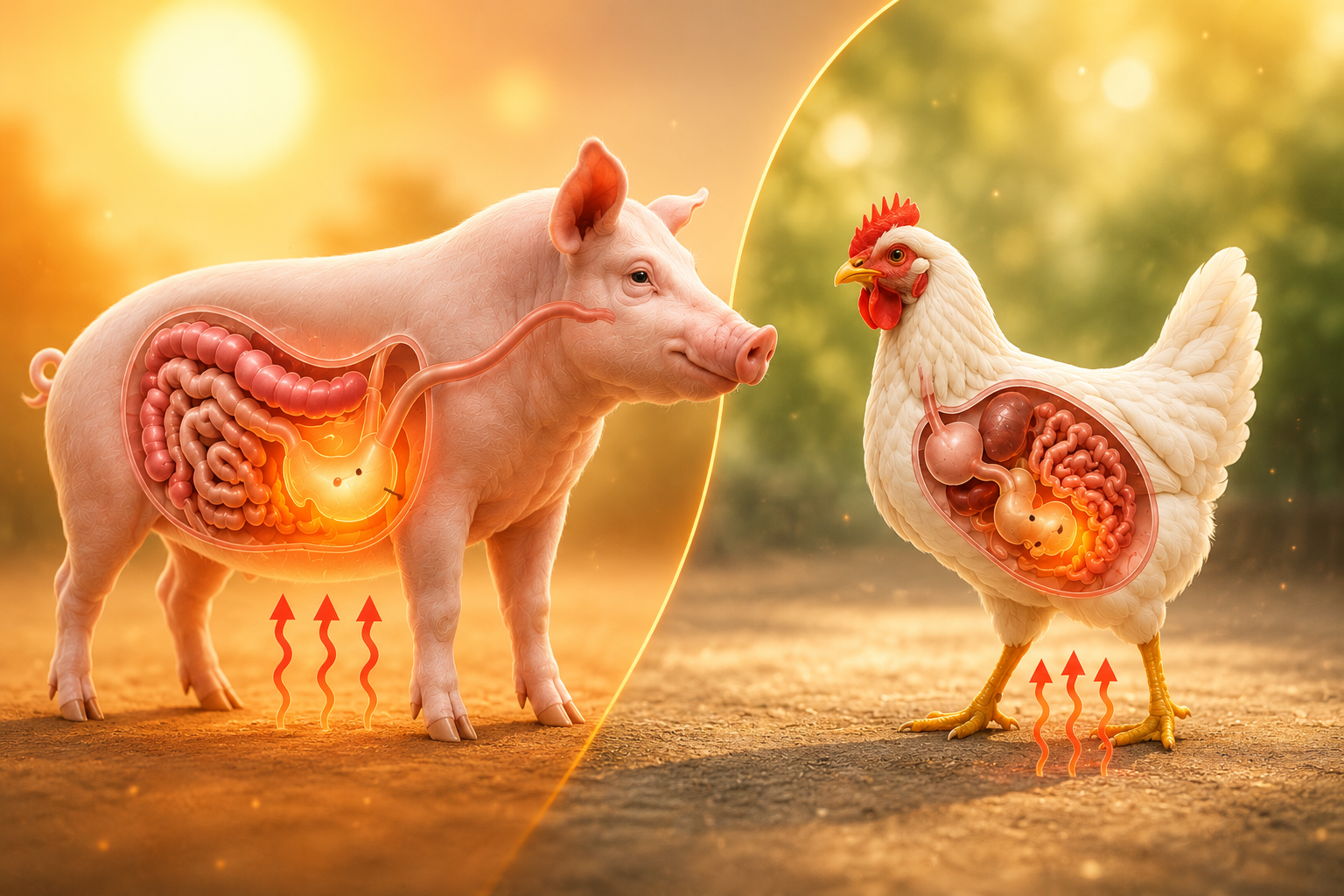
Among the many challenges facing livestock production in South East Asia, reduced feed intake during periods of high ambient temperature is probably the one with the greatest economic impact. Whether in lactating sows, growing pigs, broilers or laying hens, animals naturally reduce voluntary feed intake as temperatures rise. This physiological adaptation limits internal heat production but also reduces growth, milk production, egg production and profitability. Most adult pigs perform best between 16 and 22°C, while broilers older than three weeks and laying hens are most comfortable between 18 and 24°C. Above these temperatures, voluntary feed intake progressively declines. Every kilogram of feed generates heat during digestion and metabolism. Eating less is therefore the animal’s most effective way to reduce body heat. At the same time, more blood is redirected towards the skin to dissipate heat, leaving less circulation available for the digestive tract and reducing nutrient utilization. The consequences are observed across all species. Lactating sows consume 1 to 2 kg less feed per day, reducing milk production and increasing body reserve mobilisation. Broilers grow more slowly because both energy and amino acid intake decline. Growing pigs require more days to reach market weight, while laying hens produce fewer eggs with lower egg mass. Improving feed intake should therefore become one of the main objectives of nutritionists working in tropical climates. The first priority is water. Feed intake and water intake are closely linked, and even a slight reduction in water consumption rapidly depresses appetite. Water should always be clean, cool (under the shade) and freely available. Adequate flow rate is equally important: 2-4 L/min for lactating sows, 1-2 L/min for growing pigs, 0.5-1 L/min for nursery pigs, 60-80 mL/min for broilers and 80-100 mL/min for laying hens. Water pressure should be adjusted to achieve these flow rates while avoiding excessive
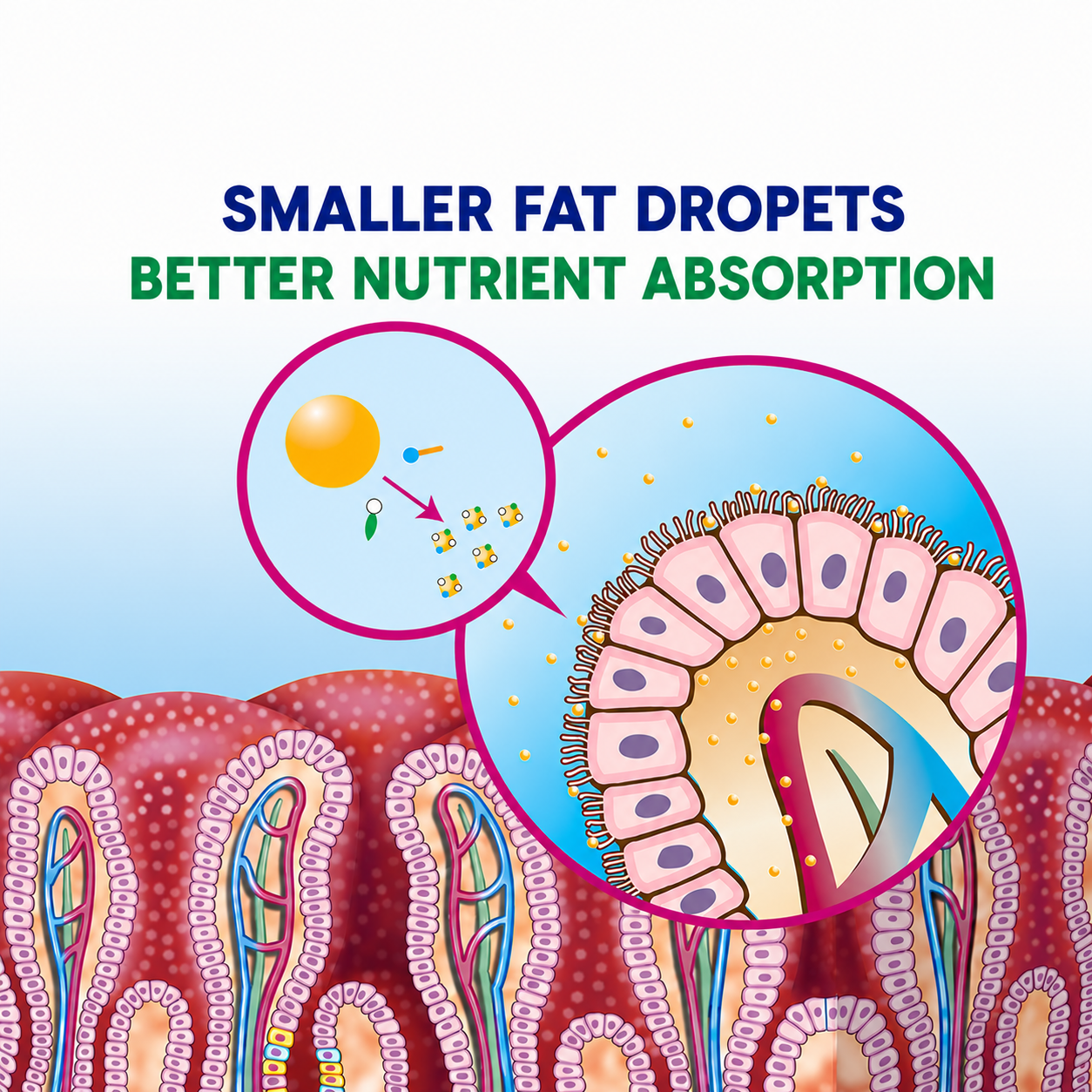
THE HIGH COST OF ENERGY: MAXIMIZING EVERY KILOCALORIE In modern swine and poultry formulation across Southeast Asia, energy remains the most expensive component of the ration. On a per-kilocalorie basis, lipids (fats and oils) are typically more than twice as expensive as carbohydrates. Despite this premium cost, omitting supplemental lipids is rarely viable. High-performance diets require lipids to concentrate dietary energy and maintain performance when volumetric intake is limited. In standard commercial formulations, raw ingredients like corn, rice bran, and soy provide 2% to 3% of native lipids, while an additional 1% to 5% consists of supplemented fats. Chemically, these dietary lipids enter the gut under two distinct forms: 95% to 98% are present in the form of triglycerides, while only 2% to 5% exist as phospholipids. This means the vast majority of the total lipid load enters the digestive tract as heavy, non-polar molecules. Because lipids represent such a substantial financial investment across the entire ration, maximizing the biological utilization of both added and native fats is paramount. Molecular geometry: from triglycerides to lysophospholipids The architectural differences between triglycerides (TGs), standard phospholipids (PLs), and lysophospholipids (LPLs) dictate how they behave in an aqueous intestinal environment. Like individual slices of a pizza fitting together to form a perfect circle, these triangular LPL molecules naturally align into a tight, highly curved radius, enabling the rapid, spontaneous creation of ultra-small emulsion droplets. Intestinal physiology: overcoming fat quality variables The digestive tract is an aqueous environment where water-soluble lipases can only operate at the exact oil-water interface. To maximize hydrolysis, we must exponentially increase surface area via micro-droplets. This interface becomes even more volatile depending on the fat sources used: Conditioning vs. intestinal emulsification Technical surfactants, such as ricinoleate-based products or polysorbates, are valued in feed mills to improve pellet quality during conditioning.
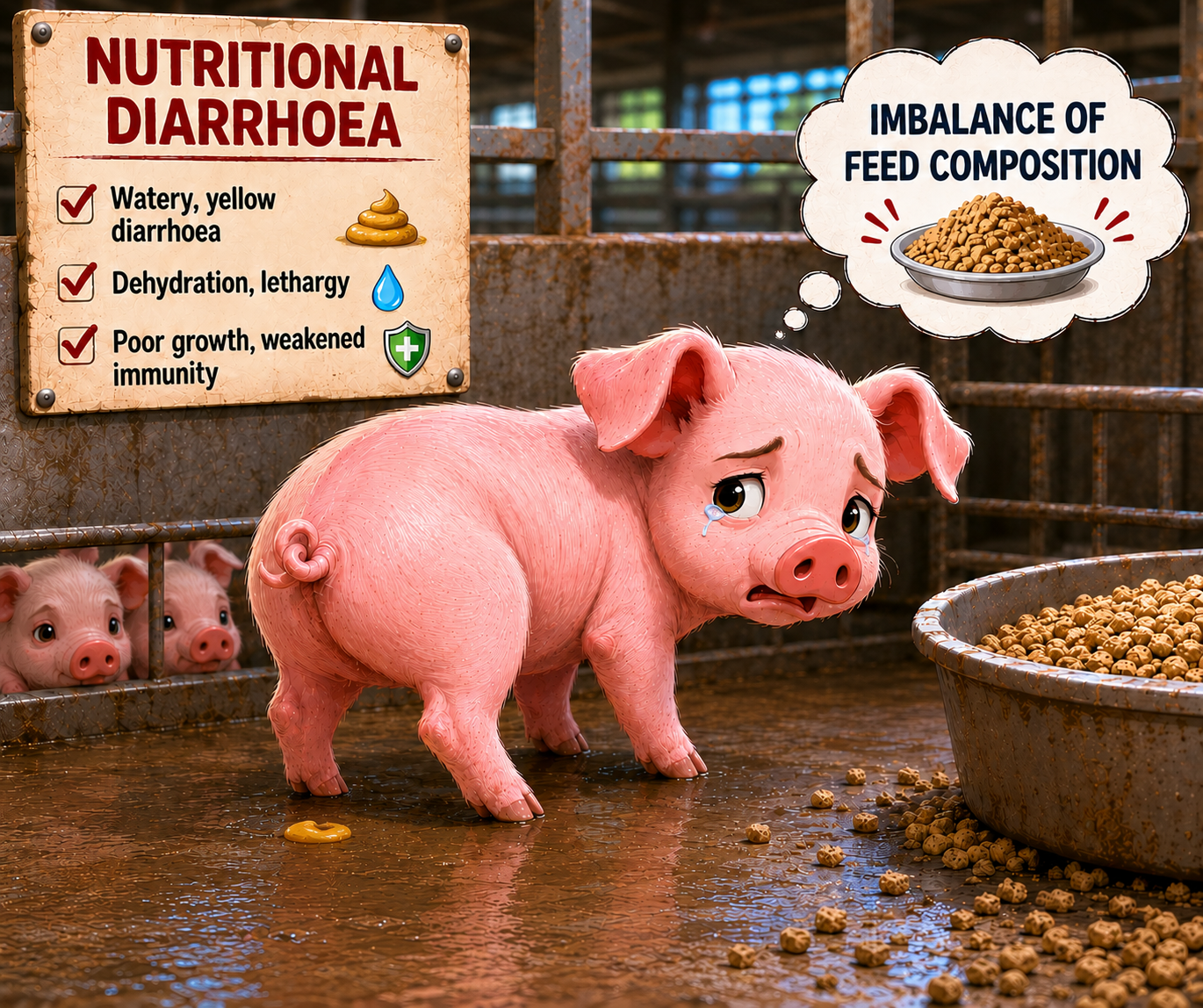
Post-weaning diarrhea remains one of the biggest challenges in swine production. In Southeast Asia, where the reduction of antibiotic growth promoters (AGP) has become a priority, the industry often explains diarrhea mainly through the proliferation of pathogenic E. coli. As a result, most anti-diarrhea strategies focus on suppressing bacterial populations with antibiotics, zinc oxide, acids, or phytobiotics. However, this understanding is incomplete. In many cases, E. coli is not the primary cause of diarrhea, but rather the consequence of a digestive dysfunction. The real trigger is often nutritional diarrhea caused by poor protein digestion after weaning. At weaning, piglets suddenly transition from highly digestible milk proteins to complex vegetable proteins. Their digestive system is still immature. Gastric acid secretion is limited, stomach pH remains too high, and pepsinogen cannot be efficiently converted into pepsin, the enzyme responsible for initiating protein digestion. Pancreatic enzyme secretion is also still insufficient. As a consequence, a significant portion of dietary protein escapes digestion and absorption in the small intestine. These undigested proteins then reach the colon, where they become substrates for proteolytic bacteria such as E. coli and Clostridium. This leads to the first major misunderstanding in the industry: diarrhea is not always initiated by pathogens. Very often, pathogens simply take advantage of an excess supply of undigested protein in the hindgut. Proteolytic fermentation profoundly alters the intestinal environment. Instead of producing beneficial short-chain fatty acids from fiber fermentation, bacteria ferment amino acids and generate ammonia, biogenic amines, phenols, indoles, and branched-chain fatty acids. These metabolites irritate the intestinal mucosa, damage villi, increase inflammation, and reduce water absorption. The result is wet feces, poor nutrient digestibility, and diarrhea. This phenomenon becomes even more problematic when AGP usage is reduced. Antibiotics previously helped suppress opportunistic proteolytic bacteria. Without them, every formulation mistake becomes more visible.

In modern swine, poultry, and aquaculture nutrition, microbial-based additives have become essential tools to improve animal health, performance, and resilience. For many years, probiotics have been widely used in animal feed. More recently, postbiotics have emerged as a complementary approach. Although probiotics and postbiotics both originate from microorganisms, they operate through very different mechanisms and therefore have different optimal applications. A probiotic is defined as a live microorganism that, when administered in adequate amounts, confers a health benefit to the host. In animal nutrition today, most probiotics used in feed belong to the Bacillus family because these bacteria can form spores that allow them to better tolerate feed processing conditions. However, it is important to recognize that the Bacillus family contains thousands, possibly millions, of different strains, and only a very small proportion of them demonstrate measurable benefits for animal performance. The positive effects described for probiotics in this article therefore apply only to strains that have been thoroughly selected, characterized, and validated through research and field trials. Not all Bacillus strains provide beneficial effects, and the efficacy of a probiotic depends strongly on the specific strain used. A postbiotic, in contrast, does not contain living bacteria. It consists of microbial metabolites, cell-wall fragments, peptides, and other bioactive molecules generated during controlled fermentation. These compounds interact directly with the animal’s physiology without requiring bacterial survival or replication. Understanding these differences helps nutritionists select the right tool depending on the production objective. When Postbiotics Offer Clear Advantages Postbiotics provide several benefits that probiotics cannot easily replicate because they do not rely on living microorganisms. The first advantage is speed of action. Postbiotics already contain the functional molecules produced by microbes, such as peptides, organic acids, or immune-modulating compounds. Once ingested, these molecules interact immediately with the intestinal environment. Probiotics must first

Swine and poultry are both monogastric species, yet their digestive systems function under distinct physiological constraints. These differences are not minor anatomical variations. They determine how nutrients are processed, how robust digestion is under stress, and how nutritional strategies must be designed. Understanding these divergences allows nutritionists to anticipate performance responses instead of interpreting them after problems arise. Gastric Architecture The gastric phase operates very differently in pigs and poultry, and this difference is central to digestive efficiency. In pigs, the stomach is a single glandular compartment where acid secretion, mixing and retention occur together. Feed remains in the stomach long enough for progressive acidification and controlled protein denaturation. Exposure time to low pH is relatively stable because gastric emptying is regulated and not primarily dependent on particle resistance. In this system, the duration of acid contact is fairly predictable. What varies most is the extent of pH reduction, which depends largely on the buffering capacity of the diet. High protein levels, mineral content or certain raw materials increase buffering and slow the decline in pH. Therefore, in pigs, gastric efficiency is mainly a question of how effectively the diet allows pH to drop rather than how long feed is exposed to acid In poultry, acid is secreted in the proventriculus, but true exposure to acid takes place in the gizzard. The proventriculus produces hydrochloric acid and pepsinogen, yet feed passes through this compartment rapidly. It is in the gizzard that feed particles are retained, mixed with acidic secretions and subjected to mechanical grinding. The gizzard therefore determines how long feed remains in an acidic environment. Retention time in the gizzard is not fixed. It depends strongly on particle size and on the muscular development of the gizzard itself. Coarse and resistant particles stimulate stronger contractions and prolong retention, allowing

The reduction of antibiotic growth promoters in swine and poultry production has led nutritionists to rely on a wide range of non-antibiotic antibacterial ingredients. Organic acids, zinc oxide, botanicals, fatty acids and biopolymers are now used routinely to manage gut bacterial pressure. However, these ingredients do not work in the same way. Their efficacy depends on whether they act in a bacteriostatic or bactericidal manner, and on how they are used within a broader feeding strategy. Understanding these differences is essential to design effective, consistent and economical gut health programs. Bacteriostatic versus bactericidal actions Bacteriostatic ingredients slow down bacterial growth and replication without killing bacteria directly. By limiting multiplication, they reduce the speed at which bacterial populations expand and allow the animal and its commensal microbiota to maintain control. Their efficacy depends primarily on time of exposure. They must be present continuously to exert meaningful pressure. In a typical bacteriostatic mechanism, the active molecule penetrates the bacterial cell in a neutral form and dissociates inside the cytoplasm. This intracellular dissociation disturbs metabolic balance and forces the bacterium to activate energy-consuming systems to restore internal stability. ATP is redirected from growth toward survival. As energy reserves decline, protein synthesis slows, DNA replication is delayed, and cell division is postponed. The cell remains structurally intact, but its capacity to multiply is reduced. As long as exposure continues, proliferation remains limited. Once exposure stops, surviving bacteria may resume growth. This example illustrates the core principle of bacteriostatic action: metabolic restraint over time rather than structural destruction. Beyond this metabolic ATP-stress model, bacteriostatic effects can also arise from inhibition of protein synthesis, interference with DNA replication, disruption of quorum sensing and bacterial communication systems, limitation of nutrient availability, or binding of key bacterial enzymes. In all these cases, the defining characteristic remains the same:

Zinc oxide has been used for decades as one of the most effective tools to prevent post-weaning diarrhea in piglets. Its efficacy is well recognized in the field, yet its mode of action remains complex and often oversimplified. Zinc oxide is frequently described as a simple antibacterial agent, but this view does not reflect the multiplicity of biological and physicochemical mechanisms involved. In reality, zinc oxide acts through several complementary pathways that depend on gut physiology, microbial dynamics, and the intrinsic properties of the zinc oxide source itself.Let’s review that together!! To understand how zinc oxide works, it is essential to clarify the origin of pathogenic Escherichia coli. There are two main sources of contamination. The first is endogenous. E. coli strains are naturally present in the piglet gut, including in the jejunum, where they usually remain at low and controlled levels. After weaning, abrupt dietary changes, stress, immature immunity, and altered gut motility create favorable conditions for these resident bacteria to proliferate locally and express virulence factors. The second source is exogenous. Feed can introduce E. coli into the digestive tract, and these bacteria may multiply in the stomach, particularly in young piglets. At weaning, gastric acid production is still limited, and this situation is often aggravated by high inclusion levels of buffering ingredients such as calcium carbonate. When gastric pH increases, the stomach loses part of its antibacterial barrier function, allowing more viable bacteria to reach the small intestine and increase infection pressure.Zinc oxide acts at two complementary levels. The first level is upstream, in the stomach. Zinc oxide limits bacterial proliferation by reducing the survival of E. coli under acidic conditions. By lowering the number of viable bacteria exiting the stomach, zinc oxide reduces the continuous reseeding of the small intestine. This effect is particularly important in


